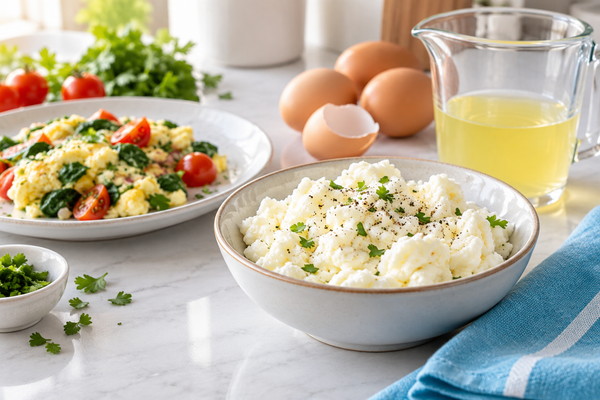
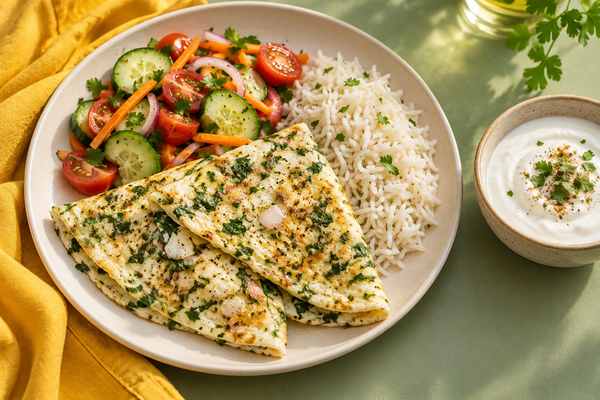
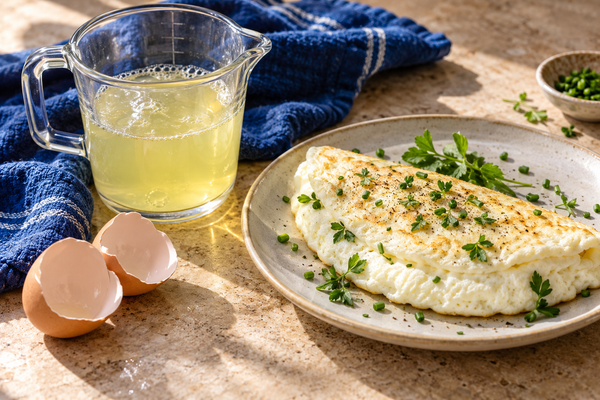
In short: Liquid egg whites are convenient when a recipe or meal calls specifically for whites. Whole eggs include the yolk and serve a different purpose. The better choice depends on your recipe, preferences and how you use the food.
A practical comparison
| Question | Liquid egg whites | Whole shell eggs |
|---|---|---|
| What is included? | The white; check the product’s ingredients | White and yolk |
| Preparation | Measure and pour | Crack; separate if you only want whites |
| Nutrition reference | Packaged product label | Egg size and whole-egg reference |
| Recipe strengths | White-only scrambles, omelettes and baking | Recipes requiring yolk richness or whole-egg structure |
| Storage | Use-by and shorter after-opening instructions | Shell-egg storage guidance |
White-only and whole-egg nutrition are different
A yolk changes the ingredient’s nutrient profile as well as its flavour and behaviour in a recipe. Whole eggs supply yolk nutrients alongside white protein. Whites can be useful when you specifically want the white without separating eggs.
The current EGG RAW bottle lists 50 g protein per 500 ml. Use its complete nutrition panel for energy and other values. Avoid comparing 100 ml of packaged whites with an unspecified number of eggs: shell egg sizes vary.
Compare what you actually use
For white-only recipes, look at the amount of usable white you obtain and what happens to the leftover yolks. For whole-egg recipes, count the whole egg rather than treating the yolk as waste.
When comparing cost, use current prices, measured recipe quantities and likely spoilage. A larger pack is only practical if your household can store and use it within the bottle directions.
Respect recipe function
Whites can set into an omelette or be whipped for some baking applications. Whole eggs also contribute yolk fat and emulsifying properties. Substituting whites for whole eggs can change moisture, structure and richness.
Start with a recipe written for egg whites. For baking, follow its measured quantity and check whether the packaged product has any specific whipping or preparation directions.
Safety is about the product and handling
Do not assume that cracking a shell or opening a pasteurised bottle makes safe handling optional. Use the correct storage and preparation instructions for each ingredient. For raw or undercooked recipes, check suitability carefully.
Frequently asked questions
Is one bottle exactly a fixed number of shell whites?
Shell sizes vary. Use millilitres or the recipe’s specified weight instead of treating an approximate egg count as exact.
Should I stop eating whole eggs?
This comparison is about ingredient choice. Whole eggs and whites can both have uses; individual nutrition needs require a broader view.
Make your next meal simpler
EGG RAW Pure Egg White is a refrigerated, pasteurised liquid egg white product. The current 500 ml bottle lists 50 g protein. Choose the pack that fits your routine and follow the complete bottle directions.
Keep reading
- Egg White Nutrition: Protein Portions & Label Guide
- 5 Easy Egg White Recipes for High-Protein Gym Meals
- How Egg White Pasteurisation Works: Safety & Handling
Sources & product reference
- FDA: handling eggs and egg products
- Current Pure Egg White product details and the bottle label supplied by EGG RAW.
Published by EGG RAW. These guides explain food preparation and product use; personalised nutrition advice depends on your individual needs. Product labels and directions can change, so check your current bottle.